I first heard Lionia's story in the very beginning of the Russian invasion in 2022, while working as a volunteer. A friend went to Okhtyrka to deliver humanitarian aid, met an old man who refused to leave his home, and told me about him later. The story immediately resonated with me. It reminded me of my own family. My father even shares the same name as our protagonist. In those first days of the invasion, I had a heated argument with my parents, trying to convince them to leave Poltava. I thought if they left, it would be easier for me to manage alone. But they refused. My sister's family was ready to flee by car, the only way out, with no buses or trains running. My parents' car was broken. Luckily, the Russians were stopped about 70 kilometers from Poltava. The only result of that argument was that my father and I didn't speak for about a week.
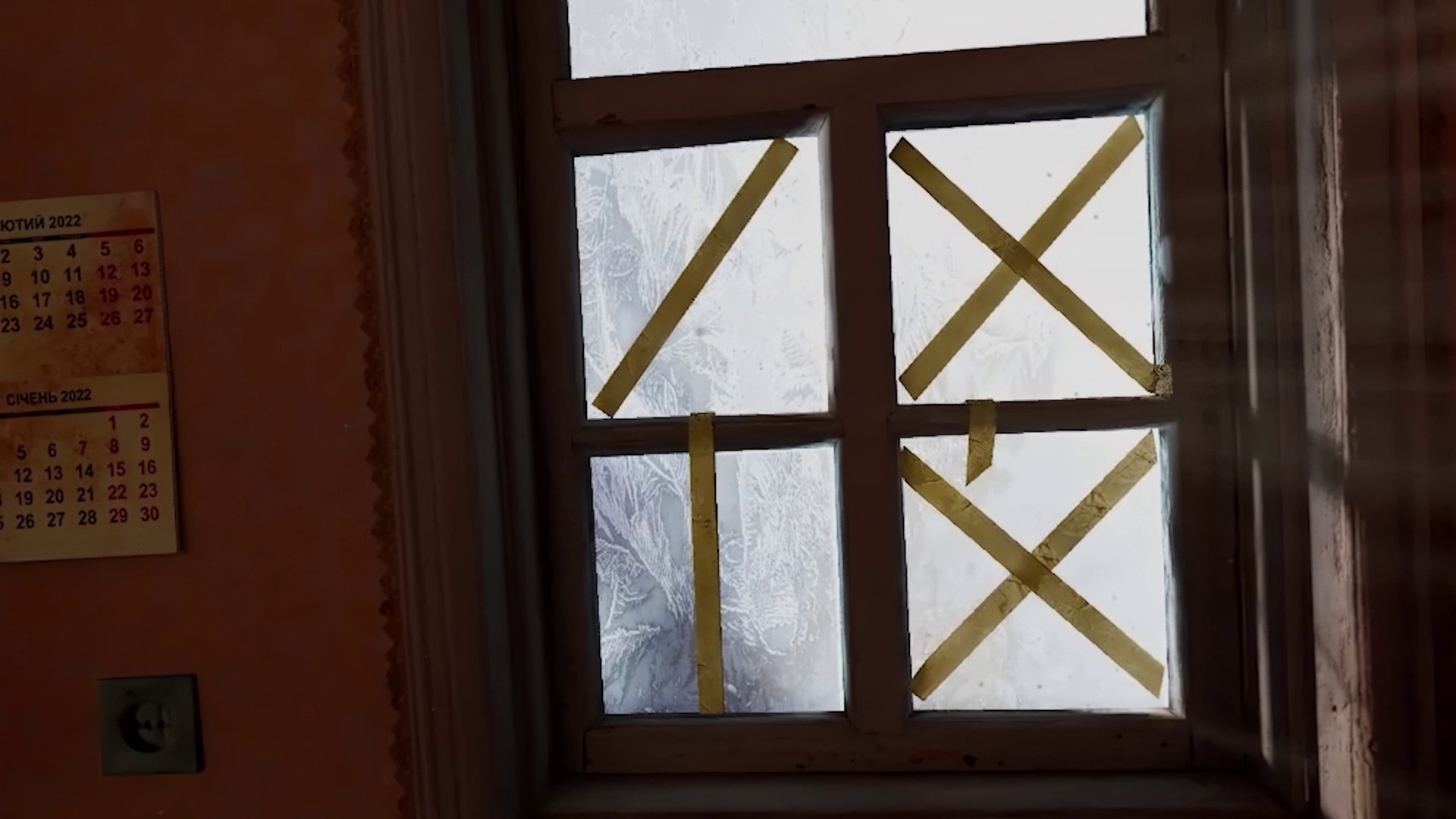
By the time my friend met Lionia, he was living in an undamaged shed near his destroyed house, in winter, without electricity, only a stove they had used during summers. A year later, we traveled to Okhtyrka to find him. His house was still in ruins, covered in snow. We knocked on neighbors' doors until someone gave us his number. He had moved to an empty house nearby. That's where we recorded our interview. We were lucky to find him alive and well.
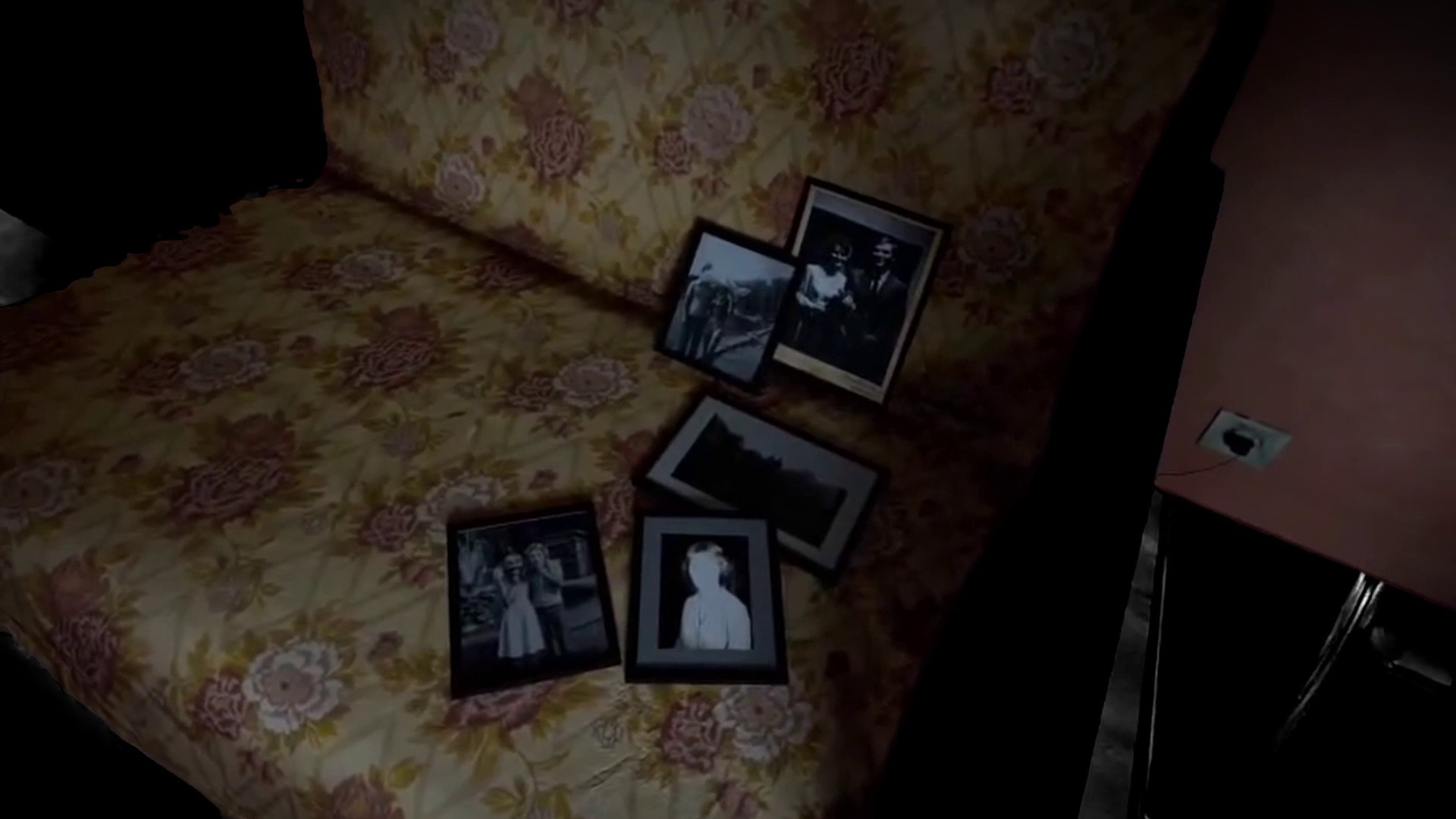
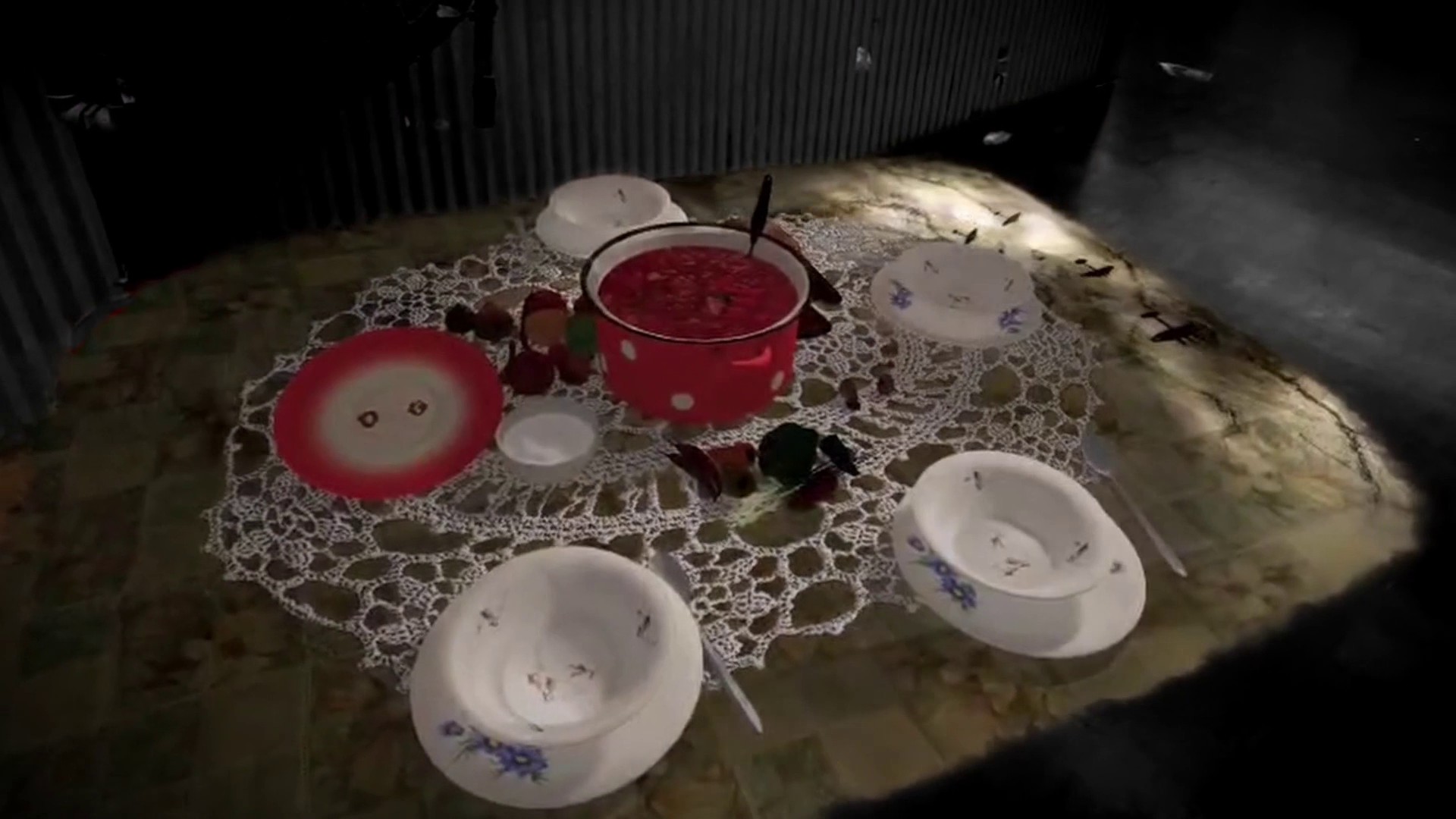
I chose mixed reality because I see it as a technological form of daydreaming: immaterial elements superimposed on reality. Since this project is built on memories, on what burst into Lionia's mind when the bomb hit, mixed reality felt like the right format. We used shadows, silhouettes, and voices as our artistic approach. This choice was inspired by wanting to give space to the audience's imagination. When you see shadows and hear voices, you picture these people yourself, creating a deeper connection and, hopefully, more empathy.
After four years of war, this story feels significant because it shows how everything began: how fast things can fall apart, how inflexible our minds can be in crisis. People, especially older ones, often stay in dangerous places, calling for help only at the last moment. Volunteers risk their lives to evacuate them. This project is dedicated to Slava Ilchenko, who was killed on Christmas Day 2025 while trying to evacuate an elderly man near Pokrovsk. In almost four years, he had evacuated more than 1,500 people from war zones. His sacrifice reminds us why these stories must be told.